Solar Panels in Pakistan: 2026 Buyer’s Guide to Panels and Batteries
Choosing solar panels in Pakistan in 2026 is less about “should I switch” and more about “which hardware actually lasts.” Electricity tariffs keep climbing, load-shedding still bites in summer, and homeowners now treat a rooftop array as core infrastructure rather than a gadget. The catch is that the market is flooded with mismatched panels, weak inverters, and tired batteries sold as new.
This guide focuses on the equipment itself. We break down panel types, how lithium storage changes the maths, and the exact specifications worth paying for. The aim is simple: help you buy once and generate clean power for the next two decades.
Why solar panels in Pakistan make sense in 2026
Pakistan receives roughly 5 to 5.5 kilowatt-hours of solar energy per square metre each day across most of the country. That is a genuinely strong resource. According to the International Renewable Energy Agency, module prices have fallen more than 80% over the past decade, so the cost per generated unit is now lower than grid power for most households.
Put plainly, a well-built system pays for itself in three to five years and then delivers near-free electricity. Every kilowatt you self-generate is a kilowatt you no longer buy at rising national tariffs.
The shift from panels-only to full systems
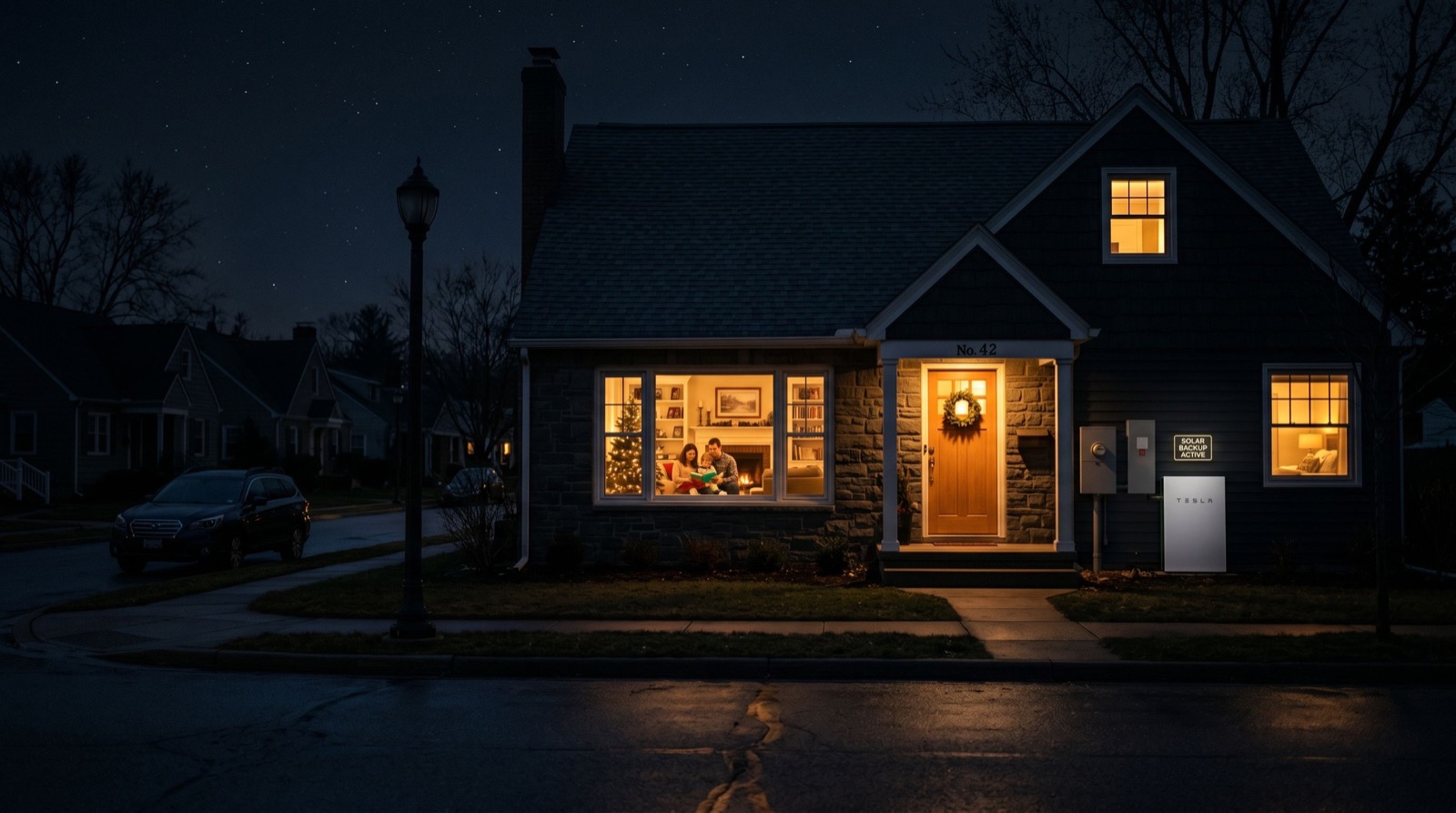
Five years ago most buyers wanted panels and nothing else. In 2026 the smart purchase bundles panels, a hybrid inverter, and lithium storage together. That combination keeps your home running during outages and lets you shift daytime generation into the evening peak, when grid electricity costs the most.
Which solar panels should you buy?
Not all modules are equal. The three mainstream choices in the Pakistani market differ in efficiency, footprint, and lifespan. When you compare high-quality solar panels in Pakistan, check the datasheet rather than the sticker on the frame.
| Panel type | Typical efficiency | Best for | Expected life |
|---|---|---|---|
| Monocrystalline PERC | 20–21% | Small or shaded rooftops | 25+ years |
| Bifacial N-type (TOPCon) | 21–23% | Open roofs and ground mounts | 30 years |
| Polycrystalline | 15–17% | Tight budgets, large space | 20–25 years |
For most homes, Tier-1 monocrystalline or newer N-type bifacial panels give the best return. They squeeze more watts from limited roof area, which matters when space is tight.
Specifications that actually matter
- Wattage class: Prefer 550W–600W modules to cut the number of connections.
- Temperature coefficient: A lower value (closer to -0.30%/°C) means less loss on hot Punjab afternoons.
- Tier-1 rating: Bankable manufacturers back their 25-year performance warranty.
- Certifications: Look for IEC 61215 and IEC 61730 stamps on the datasheet.
How lithium batteries changed home solar
Batteries are where systems succeed or fail. Old lead-acid banks were cheap but died within three years of daily cycling. Lithium iron phosphate (LiFePO4) storage now dominates because it lasts far longer and needs no maintenance.
Before you commit, compare the current lithium battery price in Pakistan against the lifetime cost, not just the sticker. A lithium unit may cost more upfront yet deliver three to four times the usable cycles of lead-acid.
Lead-acid vs lithium at a glance
- Cycle life: Lithium delivers 4,000–6,000 cycles; lead-acid manages 500–1,200.
- Usable capacity: Lithium safely uses 90–95% of rated capacity; lead-acid only 50%.
- Maintenance: Lithium is sealed; lead-acid needs ventilation and topping up.
- Payback: Over ten years, lithium is cheaper per stored unit despite the higher entry price.
For a typical home wanting overnight backup, a 5kWh to 10kWh lithium pack paired with a hybrid inverter covers lights, fans, a refrigerator, and Wi-Fi comfortably.
How much roof space and budget do you need?
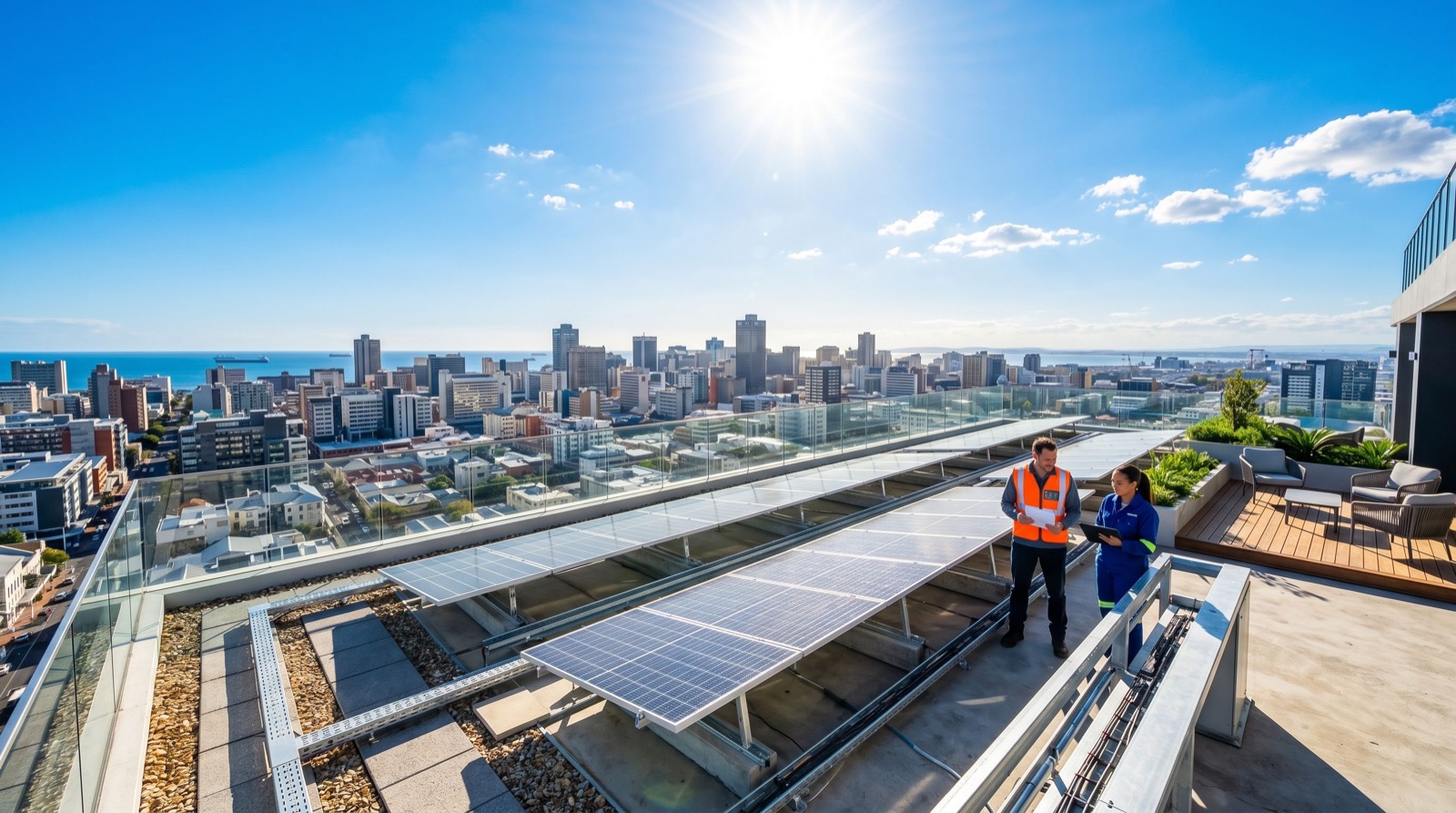
A 5kW system needs roughly 300–350 square feet of clear, south-facing roof. That size suits a mid-range home and generates enough to offset most daytime consumption. Larger homes running multiple air conditioners should plan for 8kW to 12kW.
Budget realistically. Hardware quality drives long-term savings far more than a small discount today. Cheap panels that degrade quickly cost you far more in lost generation over 25 years. When choosing an installer, work with reliable local experts who document component warranties in writing.
Maintaining panels and batteries for maximum life
Good hardware still needs light care to hit its full lifespan. Dust is the biggest enemy of output in Pakistan, especially during dry spells. A thin layer of grime can trim generation by 10% or more, so a simple rinse restores lost power quickly.
Batteries reward attention too. Keeping lithium packs in a cool, ventilated spot slows ageing, and avoiding deep, repeated full discharges preserves cycle life. Most quality systems ship with monitoring apps that flag problems before they become expensive.
A simple maintenance routine
- Rinse panels every three to six months, more often near dusty roads.
- Check inverter error codes and cooling vents monthly.
- Review the monitoring app for sudden output drops that signal shading or faults.
- Book a professional inspection once a year to tighten connections and test the battery.
This small effort protects a large investment. Neglected systems quietly lose output year after year, while cared-for ones hold their performance for decades.
Budgeting and payback in real terms
Think of solar as prepaying two decades of electricity at today’s prices. Once the system clears its payback window, usually three to five years, the power it produces is effectively free. Rising national tariffs only shorten that timeline, because every unit you self-generate avoids a more expensive grid unit.
Prioritise hardware quality over squeezing the last rupee from the quote. A slightly higher spend on Tier-1 panels, a capable hybrid inverter, and LiFePO4 storage pays back many times over across 25 years of reliable generation.
Is solar worth it with net metering in 2026?
Yes, and net metering strengthens the case. Under the framework regulated by the National Electric Power Regulatory Authority, surplus daytime generation flows back to the grid and offsets your bill. Homes with correctly sized systems often push their monthly charges close to zero, and the export credits smooth out cloudy stretches.
Frequently Asked Questions
How long do solar panels last in Pakistan?
Quality Tier-1 panels carry a 25-year performance warranty and often keep producing beyond 30 years. Output slowly declines by about 0.4–0.5% per year, so a good panel still delivers over 85% of its rated power after two and a half decades.
What is the lithium battery price in Pakistan right now?
Prices vary by brand, capacity, and chemistry, so check live listings before buying. LiFePO4 packs cost more upfront than lead-acid but win on lifetime value because they deliver several times the usable cycles with zero maintenance.
Can I add a battery to an existing solar system?
Often yes, but you may need a hybrid inverter that supports storage. If your current inverter is grid-tie only, budget for an upgrade so the battery can charge and discharge safely.
How many panels do I need for a 5kW system?
Using 550W modules, a 5kW array needs about nine to ten panels. The exact count depends on roof orientation, shading, and the wattage class you select.
Final thoughts
Buying solar panels in Pakistan in 2026 rewards patience and specification checks over chasing the lowest price. Pick Tier-1 modules, pair them with LiFePO4 storage and a capable hybrid inverter, and confirm every warranty on paper. Do that, and your rooftop becomes a two-decade asset that shields you from tariff hikes and outages alike. Talk to trusted suppliers, compare datasheets, and invest in hardware built to last.